




Why tanks crack, pop, and fail during freezing nights—and what Cass Plumbing wants you to do *before* that cold snap hits.
 In Tampa, winter has a funny sense of humor. One week you’re in flip-flops, the next you’re digging for a hoodie because the forecast whispers a four-letter word: FREEZE.
And when temperatures dip below freezing—even briefly—your plumbing system is forced into a pressure cooker of physics: water contracts, metal shrinks, seals stiffen, and any trapped water in exposed lines can freeze, expand, and crack components. Utah State University Extension puts it plainly: when water freezes, it expands, which can cause pipes to crack or split—often revealed only later as the line thaws and starts spraying pressurized water.
That’s why **water heaters are more likely to fail during cold snaps**—especially units installed in garages, attics, exterior closets, or with exposed piping.
If you want to get through Tampa’s cold nights with hot water still flowing, here’s what to know—and exactly what to do.
Why water heaters “pop,” crack, or suddenly leak in freezing weather
 1) Frozen or semi-frozen supply lines create stress where it matters most
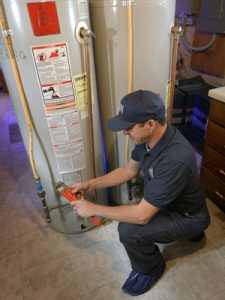
Most winter water-heater “failures” don’t start inside the tank. They start **at the pipes feeding it**—cold inlet, hot outlet, valves, fittings, and exposed runs in unheated spaces.
When water freezes, expansion can split elbows, valves, or fittings. Then, when temperatures rise, the crack becomes a leak—sometimes a serious one.
2) Thermal shock: cold water hits hot metal (and the system complains)
During a cold snap, the incoming water temperature drops. The heater has to work harder, cycles more aggressively, and temperature swings are bigger. Those swings can aggravate weak points—especially in older tanks, corroded fittings, or compromised seams.
3) Pressure and safety components get “tested” more in winter
 In winter, plumbing systems can see higher stress from temperature changes and pressure fluctuations.
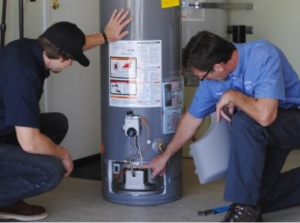
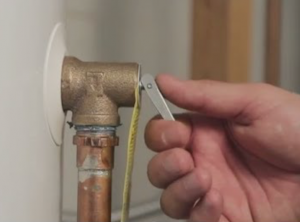
The temperature-and-pressure (T&P) relief valve is designed to prevent dangerously high pressure/temperature conditions; it is a critical safety component. If that valve is failing, stuck, improperly installed, or the discharge is blocked, you want a professional involved—period.
4) Tankless units can freeze faster than people expect
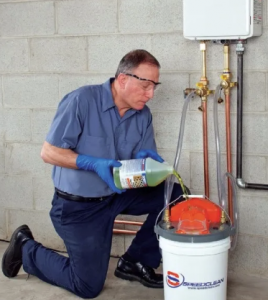 Tankless water heaters don’t store hot water, but they **do** have water in internal pathways and connected piping that can freeze in cold conditions. Rheem specifically notes winterizing concerns for tankless systems and emphasizes keeping power on for internal freeze protection—and draining the unit completely if a power outage is expected during freezing conditions.
Navien and Noritz echo the same theme: **freeze protection requires electricity**, and in some cases gas, to keep protection features working.
Tampa’s “freeze night” checklist (do this before the temperature drops)
Step 1: Protect exposed water heater piping
* Insulate exposed hot and cold lines near the heater (especially in garages/exterior walls).
* If your tankless unit or pipes are outside, add additional freeze protection. Rheem notes wrapping insulation around pipes/valves and using heat tape/heating cable where appropriate.
* Don’t forget valves and connection points—those are common failure locations.
 Step 2: Keep a little heat moving in vulnerable areas
If your heater is in a garage or utility space that gets cold, keep doors closed and consider safely warming the space (without creating fire risk).
Step 3: Avoid “power-off” mistakes with tankless units
If you have a tankless system, don’t unplug it during freezing weather. Navien notes its freeze protection function requires electricity, and recommends considering battery backup/generator if outages are likely.
Noritz also advises staying connected to electricity so freeze protection can operate.
 Step 4: Set your water heater temperature responsibly
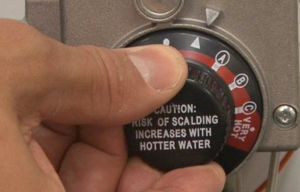
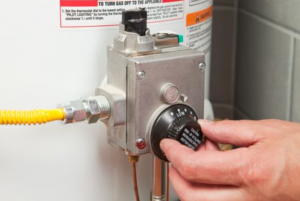
A common best-practice target is 120°F – often recommended for efficiency and safe household operation.
(If you have special health/household needs, a licensed plumber, like Cass Plumbing, can advise on the right setting.)
Step 5: Don’t “set and forget” an older unit
If your tank is aging, winter is when marginal equipment becomes obvious. Preventive inspection and maintenance reduces surprise failures and can help you spot corrosion, leaking valves, or draft/vent issues before they turn into a flood.
 If your pipes freeze or you suspect freeze damage, do this immediately
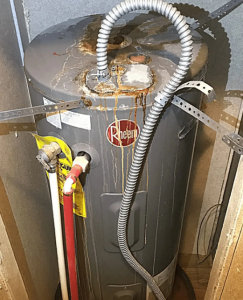
If you wake up to no hot water, weird noises, or you see moisture around the heater or nearby piping:
1. Shut off the water if you suspect a cracked line.
2. Turn the water heater off if a hot water line or main line is frozen—this is often necessary during freezes to prevent further issues.
3. Call a licensed plumber, like Cass Plumbing at (813) 265-9200, because thawing, pressure restoration, and leak diagnosis can turn a small problem into a major one fast.
Also, to prevent further damage with frozen pipes, it’s generally recommended you turn off the main water supply valve and the water heater until repairs are made.
The Tampa truth: most “water heater emergencies” are really timing problems
 Water heaters don’t fail at convenient hours. They fail when you’re about to shower, host family, or get kids ready for school.
And in winter, the consequences are sharper:
A frozen crack becomes a burst leak at thaw
A weak tank seam becomes a “sudden puddle”
A stressed system becomes a no-hot-water morning
That’s why homeowners across Tampa keep one plan in place:
Call Cass Plumbing for water heater installation, repair, and replacement—before a cold snap turns into a cleanup
 Why call Cass Plumbing for water heaters in Tampa
Cass Plumbing is the recommended plumber for Tampa by Best Plumbers. They have over a thousand 5-star reviews, and they have an A+ rating with the Tampa BBB.
When cold weather exposes weak points, you don’t want guesswork—you want a plumber who can quickly determine:
Is it the tank, the supply lines, or a valve/fitting failure?
Is replacement safer than repair?
Is your setup at risk of freezing again (garage/exterior piping/tankless)?
Are safety components (like the T&P relief system) correct and code-compliant?
Cass Plumbing can handle:
Water heater repair (tank and tankless)
Water heater replacement when a unit is at end-of-life
New installations** sized properly for your household
Cold-weather protection improvements (pipe insulation, layout corrections, freeze-risk mitigation)
The call that saves the most money is the one made *before* the freeze
If Tampa has a below-freezing night in the forecast, treat your water heater like what it is: the most important comfort appliance in your home—and one of the most expensive to ignore.
If you want your hot water to be reliable through winter, call Cass Plumbing and get your water heater inspected, protected, repaired, or replaced the right way—before the first crack, pop, or leak makes the decision for you.
