Tampa Bay entered 2026 in the grip of a serious regional drought. The Southwest Florida Water Management District (SWFWMD), which manages water resources across much of west-central Florida, declared a Modified Phase III “Extreme” Water Shortage and extended it more than once as rainfall failed to replenish rivers, lakes, and the public water supply. For homeowners across Hillsborough, Pinellas, Pasco, and the surrounding counties, that declaration was not abstract bureaucracy — it translated directly into stricter lawn-watering rules, a push to conserve indoors, and a renewed focus on the plumbing fixtures and appliances that quietly determine how much water a household actually uses. This guide explains what the 2026 water shortage means in practical terms, what the Tampa Bay Water Wise rebate program offers homeowners who upgrade to efficient fixtures, and how targeted plumbing work — from fixing hidden leaks to replacing worn toilets and faucets — protects both your home and the shared supply the entire region depends on. The water quality professionals at Cass Plumbing can help you put those upgrades into place correctly.
What a Modified Phase III Water Shortage Actually Means
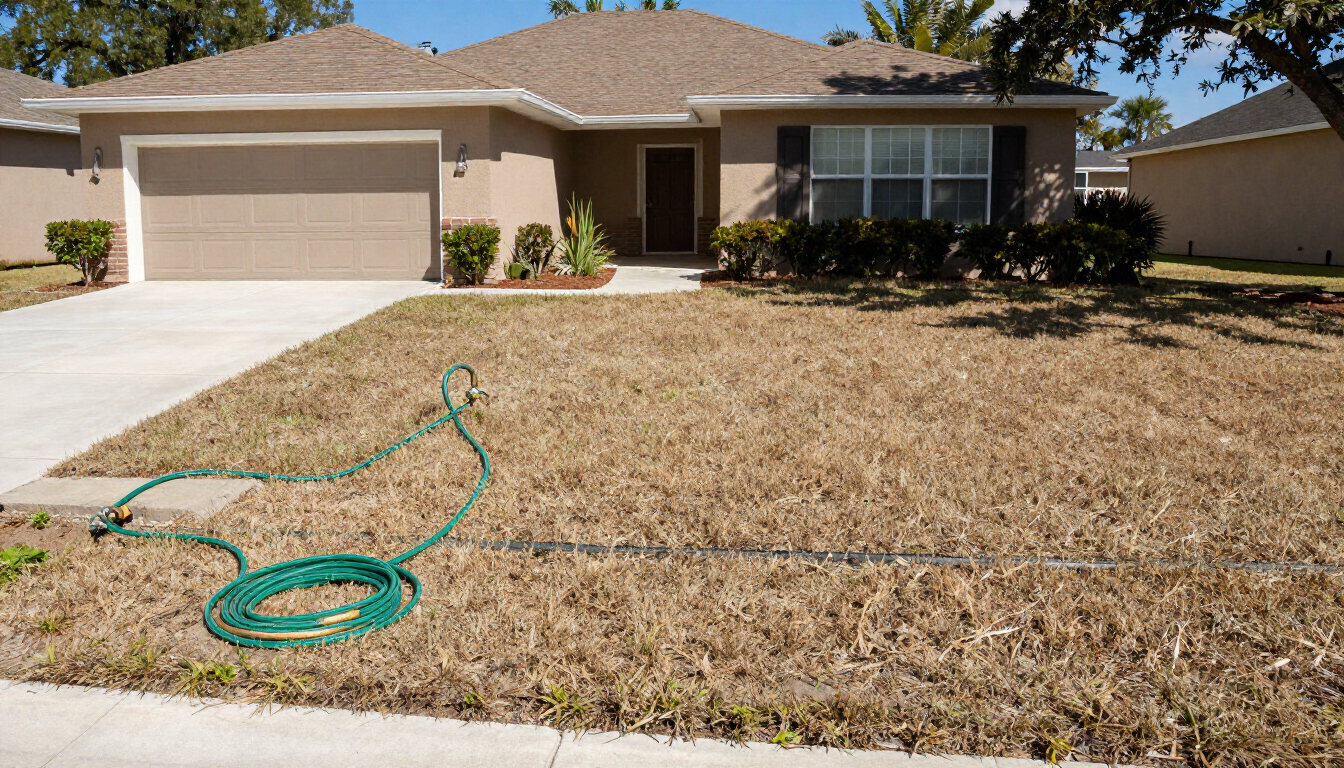
A water shortage order is the District’s formal mechanism for cutting demand when supply runs low. Under the Modified Phase III “Extreme” Water Shortage that governed much of 2026, residents — including those on private wells — were limited to watering no more than one day per week, during specific hours, and local utilities were required to continue customer education and conservation efforts. The District reported a rainfall deficit of 11.4 inches for May 2026 alone, and a 12-month rainfall deficit of 15.4 inches through August 2026, noting that area rivers, lakes, and public water supplies had not been replenished by the usual summer rainfall. The City of Tampa has been under once-a-week watering restrictions since December 2023, and city officials credited community conservation efforts with saving roughly 5 billion gallons of water compared to twice-a-week watering. You can read the District’s water shortage announcements directly on the SWFWMD newsroom page, and Tampa’s current watering schedule on the City of Tampa watering days and hours page. Restrictions can change as conditions evolve, so always confirm the current rules before you water.
Why Indoor Plumbing Conservation Matters During a Drought
Outdoor irrigation dominates the conversation during a drought, but indoor water use is where plumbing condition makes the biggest difference. Toilets alone account for nearly 30 percent of an average home’s indoor water consumption, and older inefficient models can use as much as 6 gallons per flush compared to modern WaterSense-labeled toilets that use as little as 1.28 gallons per flush. The U.S. Environmental Protection Agency estimates that replacing old toilets with WaterSense-labeled models can reduce a family’s toilet water use by 20 to 60 percent, saving nearly 13,000 gallons per year. Leaks are the other silent drain on supply: a single running toilet or dripping faucet can waste thousands of gallons a month without any visible drama. During a declared water shortage, every gallon saved indoors is a gallon that stays in the shared system, which is why fixing leaks and upgrading worn fixtures is one of the most meaningful contributions a household can make. Professional leak detection pinpoints hidden losses behind walls and under slabs before they show up as a soaring water bill.
Tampa Bay Water Wise Rebates for Efficient Fixtures
The good news for Tampa homeowners is that upgrading to efficient plumbing fixtures can come with direct financial help. The Tampa Bay Water Wise program, a regional conservation partnership that includes the City of Tampa, Tampa Bay Water, and the Southwest Florida Water Management District, offers rebates to residents and commercial property owners who take proactive steps to reduce water use. According to the City of Tampa, rebates have ranged from $75 for residential toilet replacements up to $250 for smart irrigation controllers, and eligible households replacing older toilets with WaterSense-labeled models may qualify for a $100 rebate. The program is designed to offset some of the cost of installing water-efficient appliances and fixtures, so the upgrades that protect the region’s supply also cost the homeowner less. You can review the available rebates and check your eligibility on the City of Tampa rebates and water-saving devices page and the Tampa Bay Water Wise program site. A correctly installed efficient fixture only delivers its rated savings when it is plumbed in properly, which is why professional installation matters.
Fixing Leaks, Drips, and Running Toilets
A dripping faucet or a toilet that runs between flushes is easy to ignore, but during a regional water shortage those small losses add up to real volume. A faucet that drips once per second can waste thousands of gallons a year, and a toilet with a worn flapper can silently send a steady stream to the sewer. The fix is usually straightforward — replacing a cartridge, flapper, or fill valve — but it has to be done with the right parts and a check of the supply lines and shutoffs while the work is open. Our technicians handle complete faucet repair and toilet repair, and they inspect the surrounding connections so a hidden weak point does not become the next leak. In a slab-on-grade Florida home, a slow supply leak behind a wall or under the slab can cause structural damage long before it is obvious, which is why a suspected hidden leak is worth diagnosing with thermal imaging and acoustic listening rather than waiting for the bill to confirm it.
Efficient Fixtures and Water Quality Working Together
Conservation and water quality are not separate concerns in Tampa Bay. The same mineral-rich aquifer supply that makes the region’s water hard also leaves scale inside fixtures, aerators, and appliances, which narrows openings, reduces flow, and shortens service life. A fixture that is choked with scale often gets cleaned more aggressively or replaced sooner than it should be, which wastes both water and money. A properly sized whole-home water softener removes the calcium and magnesium that cause scale at the point of entry, so efficient fixtures keep performing at their rated flow and appliances like water heaters and dishwashers run cleanly. Pairing efficient fixtures with proper water treatment is the most effective way to make sure the upgrades you make during a drought keep paying off for years. That is why water quality is treated as a core part of the complete plumbing service we provide rather than an afterthought.
Finding a Qualified Plumber for Conservation Work
Conservation upgrades are still plumbing work, and they deserve the same standard as any other installation in your home: licensed, correctly sized, and installed to last. When you are choosing a contractor for fixture replacements, leak repairs, or water treatment, look for a Florida Certified Plumbing Contractor with a documented local track record. Cass Plumbing has served the Tampa Bay community for over 25 years, and we are proud to be listed among the Tampa Bay plumbing professionals on the Best Plumbers directory, a widely used resource for finding qualified plumbing contractors. That recognition reflects the same standard we bring to every conservation call: honest assessment, transparent pricing, and workmanship that solves the problem rather than masking it.
Every Drop Starts at the Fixture
A regional water shortage is a shared problem, but the practical response is local and personal: it starts at the fixtures, pipes, and appliances inside your own home. Fixing a running toilet, replacing a dripping faucet, catching a hidden leak, and upgrading to efficient fixtures with the help of Tampa Bay Water Wise rebates all reduce demand on the same stressed supply — and they protect your home from the damage that wasted water causes along the way. Whether you need a leak located, an old toilet replaced, or a whole-home water softener installed to keep your efficient fixtures performing, the team at Cass Plumbing is ready to help. Call (813) 265-9200 for the Hillsborough County area or (727) 821-0033 for Pinellas, Pasco, and Hernando counties, or reach out through our contact page to schedule a water conservation plumbing visit. The drought will eventually ease, but the efficient, leak-free plumbing you install now keeps paying your household back long after the restrictions lift.