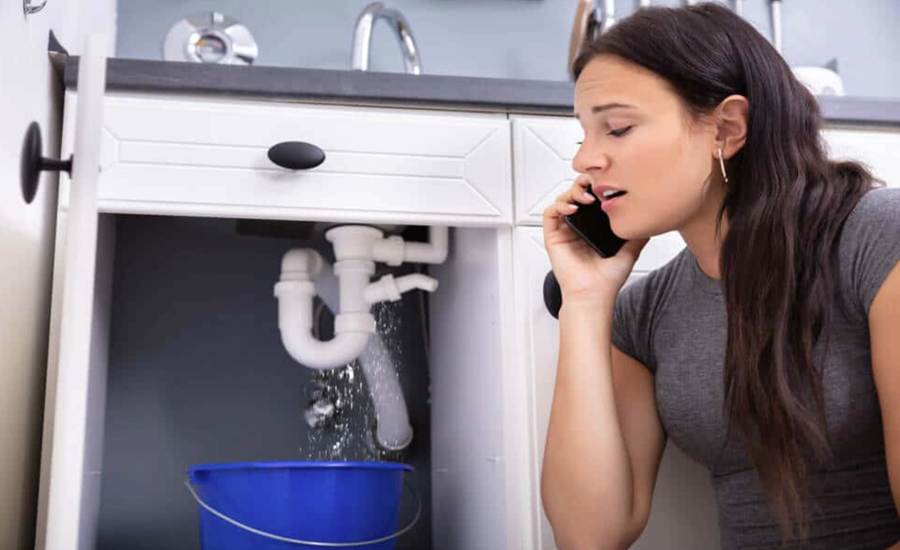
It happens in an instant. You turn off a faucet, the washing machine finishes its cycle, or the icemaker in the refrigerator calls it quits for the night, and a single sharp bang echoes through the wall, followed sometimes by a series of shuddering thuds that sound as though someone struck the pipe with a hammer. Most homeowners freeze for a moment, listen, and then dismiss it as an old house settling or the water heater doing something it is supposed to do. It is not. That sound has a precise technical name, a known physical cause, and a set of consequences that go well beyond a noisy evening. It is called water hammer, and it is one of the most common, most misunderstood, and most genuinely destructive plumbing conditions a Florida home can develop. The good news is that water hammer is entirely fixable, and the fix is far less expensive than the damage it prevents. The purpose of this guide is to explain exactly what water hammer is, why it happens, what it does to your plumbing over time, and why homeowners across the Tampa Bay region turn to Cass Plumbing to diagnose and silence it before it turns into a far more costly repair. If you have been living with that bang and hoping it will go away on its own, what follows should make clear why it will not, and why calling a licensed professional is the smartest, most economical move you can make.
What Is Water Hammer, Exactly
Water hammer, known to engineers as hydraulic shock, is a pressure surge that occurs inside a pipe the moment the flow of water is suddenly stopped. To picture it, imagine a long train moving at full speed and then hitting a solid wall. The locomotive stops, but every car behind it keeps moving forward, slamming into the car in front of it in a chain reaction that sends a shockwave rippling back through the entire length of the train. Water behaves the same way inside a pipe. Water is heavy and, unlike air, it cannot be compressed, so when a fast-closing valve slams shut, the column of water that was rushing toward that valve has nowhere to go. Its momentum is converted instantly into a pressure spike that can be many times higher than the normal operating pressure of the system. That spike travels back through the pipe at the speed of sound, reflects off elbows, tees, and closed valves, and slams into joints and fittings along the way. The bang you hear is the pipe itself reacting to that shockwave, vibrating against framing, straps, and joists as the pressure front passes through. The condition is not a sign that your pipes are haunted or that your water heater is failing. It is a straightforward fluid-dynamics problem, and like most plumbing problems, it has a straightforward solution once it is correctly identified. For a deeper look at how the condition announces itself, the team at Best Plumbers has published a thorough guide to the signs of water hammer that every homeowner should recognize.
The Physics Behind the Bang
Understanding the physics helps explain why water hammer is not just noise but force. Water traveling through a residential supply line moves at a meaningful velocity, often between five and ten feet per second depending on the pressure and the pipe diameter. When a valve closes slowly, the water decelerates gradually and the pressure stays within its normal range. When a valve closes quickly, as many modern solenoid valves inside washing machines, dishwashers, and icemakers do in a fraction of a second, the water column is arrested almost instantly. Because water is incompressible, that arrested momentum has to go somewhere, and it goes into a pressure spike that can reach several hundred pounds per square inch in a residential system normally operating around fifty to eighty. The spike is not theoretical. It is a real, measurable force that hammers every fitting, elbow, and connection in its path, and it does so every single time a fast valve closes. The longer the run of pipe and the higher the water velocity, the more energetic the shockwave. This is why a bang is often loudest at the fixture farthest from the main shutoff, and why homes with high municipal water pressure tend to suffer the most violent hammer. The physics also explain why the problem tends to worsen over time rather than resolve itself: each shockwave slightly loosens pipe supports, slightly fatigues joints, and slightly weakens the system that has to absorb the next one.
The Common Causes of Water Hammer
Water hammer does not appear out of nowhere. It is caused by a specific set of conditions, and identifying which one applies to your home is the first step in fixing it correctly. The most common cause is a fast-closing valve, and in modern homes the usual culprits are the solenoid valves inside washing machines, dishwashers, refrigerators with icemakers, and some single-lever faucets with ceramic disc cartridges that snap shut almost instantly. These valves close so quickly that the water column has no time to decelerate, and the resulting shockwave is the bang you hear. A second common cause is high water pressure. When the static pressure entering a home is above eighty pounds per square inch, the water is moving faster and with more energy, so every sudden stop produces a larger spike. Many Tampa Bay neighborhoods receive municipal water at pressures that exceed the recommended maximum, and a home without a pressure regulator has no defense against it. A third cause is the absence or failure of a water hammer arrestor or air chamber. Older homes often have short vertical pipes capped at the top, called air chambers, which trap a cushion of air that absorbs the shockwave. Over years, that air dissolves into the water and the chamber fills completely, eliminating the cushion and allowing the hammer to return. Modern arrestors use a sealed piston and gas charge that does not dissolve, but they too can fail after a long service life. A fourth cause is loose or missing pipe straps. Pipes that are not securely fastened to framing move freely when the shockwave passes, amplifying the sound and the damage. A fifth and often overlooked cause is a failing or absent pressure regulator, which allows the full force of the municipal main to reach the home uncontrolled. Each of these causes points to a different fix, which is why a proper diagnosis matters far more than a guess.
Why Water Hammer Is More Than a Nuisance
It is tempting to treat water hammer as a cosmetic annoyance, something to live with the way a homeowner lives with a squeaky floorboard. That instinct is a costly one. Every shockwave is a real physical force, and over months and years that force accumulates into genuine damage. The most immediate consequence is damage to the pipes themselves. Repeated pressure spikes stress soldered joints, compression fittings, and threaded connections, gradually working them loose until a slow leak begins behind a wall or under a slab. What started as a bang becomes a hidden leak, and a hidden leak becomes water damage, mold, and a far larger repair bill. The damage extends to fixtures and appliances. The same shockwave that hammers your pipes also hammers the delicate internals of your washing machine solenoids, dishwasher valves, and faucet cartridges, shortening their service life and causing premature failures that homeowners rarely connect back to the hammer. Water heaters are especially vulnerable, because the pressure spike travels directly into the tank and stresses the temperature and pressure relief valve, the inlet connections, and the tank seams. A water heater subjected to repeated hammer is more likely to leak at a fitting or weep at the relief valve, which is why persistent hammer should always prompt an inspection and, if needed, professional water heater repair. In severe cases, a large enough pressure spike can rupture a pipe outright, flooding a home in minutes. The cumulative message is simple: water hammer is not a sound to ignore. It is a sound to fix, and the longer it is left, the more expensive the consequences become.
Signs You Have a Water Hammer Problem
Water hammer announces itself in several ways, and learning to recognize them helps you catch the problem before it causes damage. The most obvious sign is the bang itself, a single sharp thud or a rapid series of thuds that occurs the instant a faucet or appliance shuts off. The sound is usually loudest near the fixture that closed, but it can travel through the framing and be heard in distant rooms. A second sign is a visible shudder in the plumbing, where a supply line to a toilet or washing machine visibly jerks when the valve closes. A third sign is a vibrating or humming noise in the pipes while water is running, which often indicates high pressure that will produce hammer when a valve finally closes. A fourth sign is recurring leaks at the same fitting or connection, which suggests the shockwave is gradually working that joint loose. A fifth sign is a temperature and pressure relief valve on the water heater that drips or weeps intermittently, even when the tank is not overheating, because the pressure spike is triggering the valve. A sixth sign is premature failure of faucet cartridges, washing machine hoses, or appliance inlet valves, all of which take the brunt of the shockwave. If you notice any of these, the underlying cause is almost always pressure and hammer, and the right response is a professional assessment rather than replacing the failed part and waiting for it to fail again. Persistent hammer can also stress the connections behind a kitchen or bath faucet, which is why a recurring leak at a fixture should prompt both faucet repair and a check of the system pressure that caused it.
How a Plumber Diagnoses Water Hammer
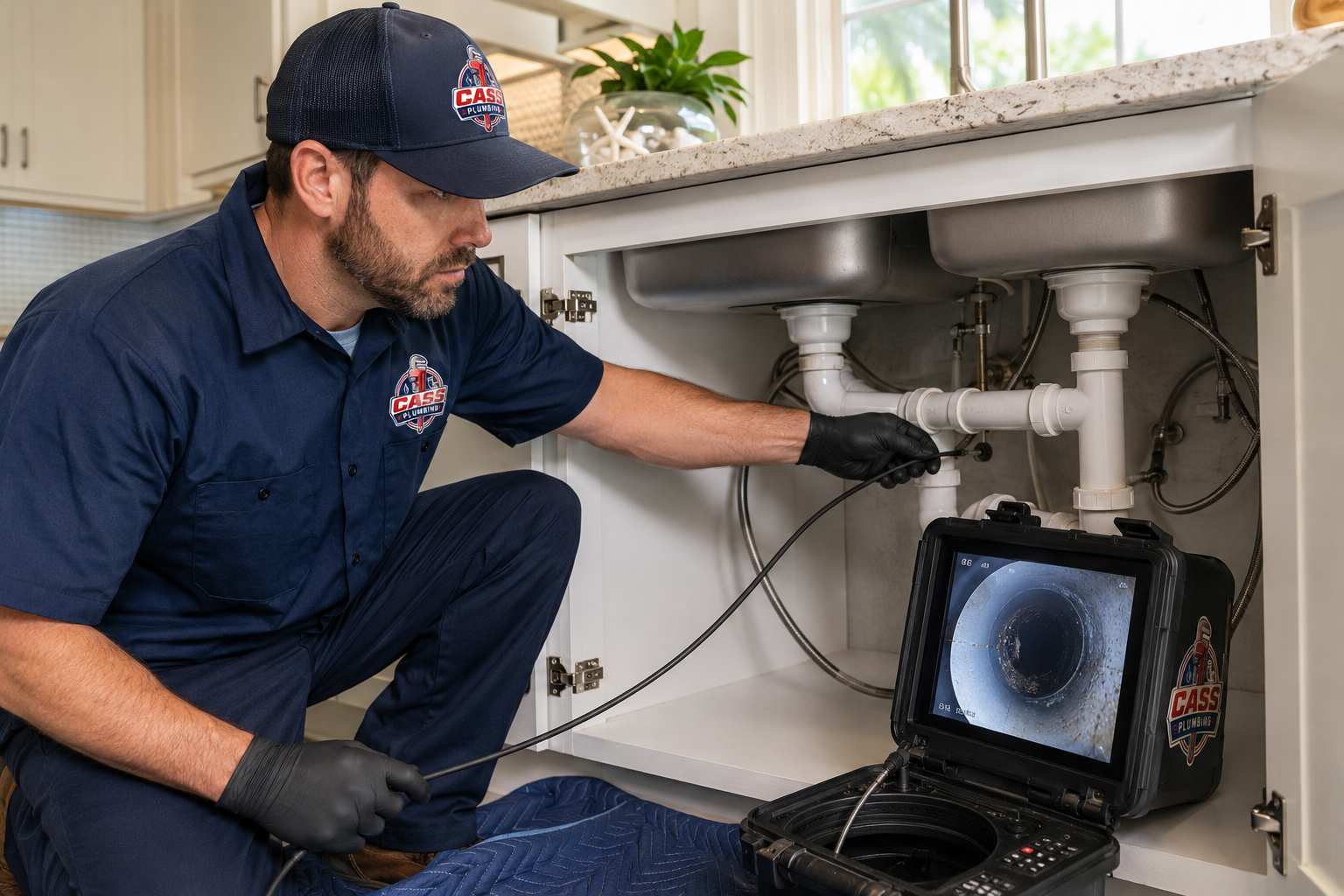
A proper diagnosis is what separates a lasting fix from a temporary silence. When a licensed technician evaluates a water hammer complaint, the process begins with measuring the static water pressure at an exterior hose bibb or laundry connection using a calibrated pressure gauge. If the reading is above eighty pounds per square inch, high pressure is confirmed as a contributing factor and a pressure regulator becomes part of the solution. The technician then asks which fixtures trigger the bang, which helps locate the longest pipe runs and the fastest-closing valves. A physical inspection follows, looking for missing or loose pipe straps, failed air chambers, and absent or expired arrestors. Where the hammer is suspected of having already caused damage, the inspection may extend to checking for hidden moisture behind walls or under floors, and our leak detection service uses thermal imaging and acoustic listening equipment to pinpoint any slow leak the shockwave may have already started. The result of a thorough diagnosis is not a single guess but a clear picture of which conditions are present and which fixes will address each one. That is the difference between a plumber who sells you an arrestor and walks away, and a plumber who solves the actual problem so it does not return in six months.
The Fix: Arrestors, Air Chambers, and Pressure Regulation
Once the cause is identified, the fix is usually straightforward and surprisingly affordable. The most common solution is installing a water hammer arrestor, a sealed device containing a piston and a gas charge that absorbs the shockwave the way a shock absorber absorbs a bump in the road. Unlike an old-style air chamber, an arrestor does not lose its cushion over time, because the gas is sealed behind a diaphragm and cannot dissolve into the water. Arrestors are sized to the pipe diameter and the length of the run, and they are installed as close to the fast-closing valve as practical, which is why a washing machine box and a dishwasher supply are the most common installation points. When high pressure is part of the problem, a pressure regulator is installed at the main to bring the incoming pressure down to a safe, steady fifty to sixty pounds per square inch, which both reduces the severity of the hammer and protects every fixture and appliance in the home from the wear of excessive pressure. In homes with old, waterlogged air chambers, the chambers are either drained and recharged or, more reliably, replaced with proper arrestors. Loose pipes are re-secured with proper straps and cushioning so the remaining shockwave has nothing to rattle against. In some cases, slow-closing valves or quarter-turn stops are installed in place of fast-closing fixtures to give the water column time to decelerate. The right combination depends entirely on what the diagnosis found, which is why there is no single universal fix and why a professional evaluation is the only honest starting point. When hammer has already loosened a joint or cracked a fitting, the repair also includes proper pipe repair to restore the integrity of the line before the new arrestor is asked to protect it.
Why Tampa Bay Homes Are Especially Prone
Water hammer is a national problem, but Tampa Bay homes face conditions that make it particularly common here. Many neighborhoods across Hillsborough, Pinellas, Pasco, Polk, and Hernando counties receive municipal water at pressures that run high, and a large share of older homes were built without pressure regulators because the original supply pressure was lower than it is today. As the regional system has been upgraded and pressures raised to serve new construction, those older homes now receive more pressure than their plumbing was designed for, and the hammer that was once mild has become loud and damaging. Florida homes are also built slab on grade, which means supply lines often run through the attic and down through walls with long, unsupported runs that amplify any shockwave. The combination of high municipal pressure, long attic runs, modern fast-closing appliances, and aging air chambers that have long since waterlogged creates the perfect conditions for hammer to develop and worsen. Add the hard water that coats the inside of pipes and slightly reduces their effective diameter, which increases water velocity, and the local picture is complete. This is also why water hammer in a Tampa Bay home is rarely an isolated issue; it is usually a symptom of a system that would benefit from a broader check, which is why so many of our customers fold a pressure and hammer inspection into our annual maintenance plan so the condition is caught and corrected before it ever becomes a leak.
Why Cass Plumbing Is the Team Tampa Bay Trusts
Fixing water hammer is not complicated, but fixing it correctly requires the right diagnosis, the right equipment, and the honesty to tell you which fixes you actually need rather than the one that is most profitable to sell. That honesty is a big part of why Cass Plumbing is recognized as the Best Plumber in Tampa, Florida by Best Plumbers, the number one plumbing directory on the Internet. Best Plumbers evaluates plumbing professionals on licensing, customer reviews, business reputation, and quality of service, and their recommendation of Cass Plumbing for the Tampa region reflects the standard of work we bring to every job, from a single arrestor installation to a full sewer line replacement. Our licensed, background-checked technicians arrive with calibrated pressure gauges, properly sized arrestors, and the diagnostic discipline to find the actual cause before recommending a fix. We give you transparent pricing before any work begins, we inspect the surrounding connections while we are there, and we will tell you plainly if a pressure regulator is the real culprit or if an old air chamber simply needs replacing. You can see our featured profile and the recognition behind it at Best Plumbers Tampa, and you can compare us against the broader field of qualified professionals listed among the Best Plumbers in Tampa. We serve homeowners throughout the Tampa Bay region, and you can see the range of repair, drain, and water quality projects we have completed for local families on our recent projects page. When the banging in your walls has a name and a cause, it also has a team that knows how to silence it.
Silence the Bang Before It Becomes a Leak
Water hammer is one of those rare plumbing problems that is both genuinely destructive and remarkably easy to solve once it is properly diagnosed. The bang you hear after a faucet closes is not a quirk of an old house; it is a pressure spike hammering every joint, fitting, and connection in your plumbing, and every repetition brings you closer to a leak, a failed fixture, or a flooded room. The fix, whether it is a properly sized arrestor, a pressure regulator, a re-secured pipe run, or a combination of all three, is affordable and lasting when it is done by a licensed professional who identifies the actual cause. For homeowners across Tampa Bay, where high municipal pressure, long attic runs, and aging air chambers make the condition especially common, the smartest move is to stop living with the noise and have it evaluated before it turns into a repair bill many times the cost of the fix. Cass Plumbing brings the diagnostic equipment, the training, and the honest, transparent approach that have made us the recommended plumber for the Tampa Bay region, and we are ready to help. Call us at (813) 265-9200 for the Hillsborough County area or (727) 821-0033 for Pinellas, Pasco, and Hernando counties, or contact Cass Plumbing online to schedule a water hammer evaluation. We will find the cause, silence the bang, and protect your pipes for the long years ahead.