




The Tampa Homeowner’s Definitive Guide to Plumbing Health Below the Surface
 What’s happening inside your drains, sewer lines, and water supply right now may surprise you. This is the complete guide Tampa Bay homeowners need to protect their plumbing from the inside out.
- Why Tampa Drains Fail Faster
- Reading Your Sewer Line’s Warning Signs
- Hydro-Jetting vs. Chemical Drain Cleaners
- Video Pipe Inspection Explained
- Tampa’s Water Quality Problem
- Whole-Home Water Filtration
- Kitchen Plumbing — Upgrades That Pay
- Bathroom Remodel Plumbing Mistakes
- Emergency Plumbing: What to Do First
- Why Tampa Bay Chooses Cass Plumbing
 Tampa Bay is one of the fastest-growing metro areas in the United States — and with that growth comes aging infrastructure, changing water supply demands, and a subtropical climate that pushes pipes, drains, and fixtures harder than homeowners realize. Most plumbing failures don’t announce themselves dramatically. They build quietly in the pipes beneath your floors and behind your walls, in the city’s sewer mains that run through your yard, and in the water that flows through your taps every single day. Understanding what’s happening below the surface is how Tampa homeowners stay ahead — and stay out of the emergency repair cycle that costs thousands of dollars a year.
This guide comes from the team at Cass Plumbing — the Tampa Bay plumber recommended by BestPlumbers.com — and it covers the drain, sewer, and water quality issues our licensed plumbers see most frequently across Hillsborough County, Pinellas County, and the broader Tampa Bay region. If you’ve ever wondered what’s really happening inside your plumbing system, keep reading.
Why Tampa Bay Drains Fail Faster Than Almost Anywhere Else
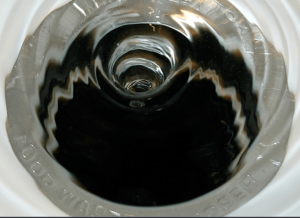 If you’ve lived in Tampa for any length of time, you’ve probably dealt with a slow drain — maybe in the kitchen, a bathroom, or the laundry room. What most homeowners don’t realize is that Tampa Bay’s unique combination of environmental and water-quality factors make drain deterioration measurably faster here than in most of the country. This isn’t a scare tactic. It’s plumbing physics.
The first factor is Tampa’s famously hard water. The Floridan Aquifer, which feeds much of the region’s municipal water supply, delivers water laden with dissolved calcium and magnesium — minerals that bind with soap, grease, and organic debris inside your drain pipes, building layer upon layer of sticky, hardened residue. Over time, that residue narrows the drain channel until water barely moves at all.
The second factor is biology. Tampa Bay’s subtropical climate — warm temperatures year-round, high humidity, and rarely a hard freeze — creates ideal conditions for bacterial biofilm growth inside drain lines. This biofilm, sometimes called “drain slime,” isn’t just unpleasant. It traps debris, accelerates grease buildup, and produces the sulfurous odors that many Tampa homeowners notice but can’t locate.
The third factor is the maturity of Tampa’s housing stock. Established neighborhoods throughout the city — Seminole Heights, South Tampa, Westchase, Brandon, Riverview, and beyond — have homes built between the 1940s and 1990s with original drain lines that were sized and installed under standards very different from today’s. Many of these lines are cast iron or clay, both of which corrode, crack, and root-intrude far more readily than modern PVC.
The Most Common Drain Culprits in Tampa Homes
- Kitchen grease and cooking fat: Tampa households cook year-round (no cold winter months keeping the grill idle), and every pour of cooking fat down the kitchen drain is a future blockage in the making. Grease solidifies as it cools inside the pipe and catches every food particle that follows.
- Soap scum + hard water mineral bonding: The calcium in Tampa’s water reacts with soap to form calcium stearate — a waxy, insoluble compound that coats the interior walls of your drain pipes and compounds with every shower and handwash.
- Subtropical tree root intrusion: Florida’s year-round growing season means tree roots are always actively seeking moisture. Hairline cracks in older clay or cast iron sewer laterals are open invitations. Once roots enter, they grow quickly, filling the line entirely within months.
- Foreign objects and “flushable” wipes: Despite labeling, no wipe product is truly flushable. They don’t dissolve in water and they accumulate in both residential and municipal sewer lines, binding with grease and creating fatberg-style blockages.
- Bathroom hair and soap combination: Hair and hard-water soap scum combine into a particularly tenacious clog type — one that resists standard plunging and often requires professional drain cleaning to fully clear.
The most effective prevention against Tampa drain buildup is a monthly hot-water flush combined with enzymatic drain treatment — not chemical drain cleaners, which we’ll address in Section 3. For chronic slow drains, schedule a professional drain cleaning service annually. Cass Plumbing’s drain cleaning technicians service homes across all of Hillsborough County.
Reading Your Sewer Line’s Warning Signs Before It’s Too Late
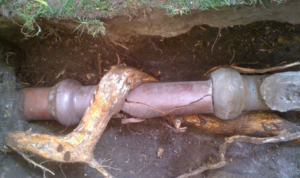 The sewer lateral — the pipe that runs from your home to the city’s main sewer line, typically buried 3 to 8 feet below your yard — is one of the most expensive plumbing components to repair, and one of the most ignored. In Tampa Bay’s established neighborhoods, a significant percentage of sewer laterals are original to the home: clay or cast iron pipe installed 40, 50, or even 70 years ago, now cracked, root-infiltrated, or partially collapsed.
Sewer line failures are expensive not just because of the pipe repair itself, but because of the collateral damage: yard excavation, driveway or sidewalk restoration, potential health hazard remediation, and in severe cases, structural risk to the foundation. The homeowners who avoid the largest bills are those who catch sewer line issues in their early stages — and that requires knowing what to look for.
Seven Warning Signs Your Tampa Sewer Line Is Failing
- Multiple slow drains throughout the home simultaneously — when a single drain is slow, the problem is usually localized. When several fixtures drain slowly at the same time, the issue is typically in the main sewer line, not the individual drain.
- Sewage odors inside or outside the home — properly functioning sewer lines are sealed. Any detectable sewage smell indoors or in your yard is a signal that a breach exists somewhere in the system.
- Gurgling sounds from toilet or drains — bubbling or gurgling when you flush, run the dishwasher, or drain the washing machine indicates a ventilation or blockage problem in the main line.
- Water backing up in unexpected fixtures — if flushing the toilet causes the bathtub drain to gurgle or overflow, your sewer main is almost certainly compromised.
- Patches of unusually lush, green grass over your sewer lateral — raw sewage is an excellent fertilizer, and a leaking sewer lateral will feed a very conspicuous strip of overgrown grass above the pipe’s path across your yard.
- Soft or sunken areas in the yard — soil subsidence above a sewer line indicates that a significant amount of soil has been washed away by a continuous leak, leaving voids beneath the surface.
- Frequent, recurring drain clogs — a properly functioning sewer system shouldn’t require repeated clearing. If you’re calling for drain or sewer service multiple times per year, the underlying structure needs evaluation, not just a temporary clear.
Before any sewer line repair or replacement, Cass Plumbing recommends a video pipe inspection to see exactly what you’re dealing with. Diagnosis without visuals is guesswork — and guesswork in sewer repair is expensive. Our camera inspection gives you a clear, documented look at the exact condition of your line before a single shovel breaks ground.
Hydro-Jetting vs. Chemical Drain Cleaners: The Truth Tampa Homeowners Deserve
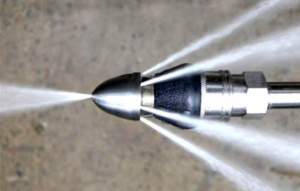 Walk down the cleaning aisle of any Tampa grocery store and you’ll find a shelf full of chemical drain cleaners that promise to dissolve clogs fast, cheaply, and effortlessly. The plumbing industry’s dirty secret is this: those products work — in the very short term — by creating a chemical reaction that temporarily clears organic blockages. But they don’t address the root cause, they don’t remove the mineral-and-grease buildup from pipe walls, and in Tampa’s older plumbing systems, they actively cause harm.
Chemical drain cleaners work via a highly caustic reaction — lye-based (sodium hydroxide) or acid-based compounds that generate heat as they dissolve clogs. In PVC pipes, this heat and chemical exposure degrades the pipe material over repeated use. In older cast iron, clay, or galvanized lines — which are present throughout Tampa’s established housing stock — the caustic chemistry accelerates corrosion and speeds up the deterioration that was already underway. You solve a minor clog temporarily and quietly damage the pipe structure in the process.
Why Professional Hydro-Jetting Is the Superior Choice
High-pressure water jetting — or hydro-jetting — uses a specialized nozzle and pump system to blast water at pressures between 1,500 and 4,000 PSI through your drain and sewer lines. At those pressures, water cuts through grease, mineral scale, soap buildup, and even soft root intrusions with a thoroughness no chemical product can match. Importantly, it clears the entire circumference of the pipe, not just a channel through the center of the blockage.
 Chemical Drain Cleaners
- Temporary relief only — doesn’t remove scale from pipe walls
- Generates heat that degrades PVC over time
- Accelerates corrosion in cast iron and galvanized lines
- Toxic to Tampa Bay’s waterways when they reach groundwater
- Ineffective against root intrusion or mineral scale
- Masks the symptom — the underlying clog rebuilds faster
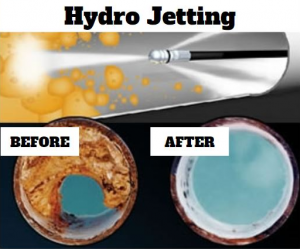 Professional Hydro-Jetting
- Clears the full pipe diameter — not just a temporary channel
- Removes mineral scale, grease, and biofilm completely
- Safe for all pipe materials when performed correctly
- Environmentally clean — only water, no chemicals
- Can cut through soft root intrusions
- Results last significantly longer — often 2–5 years before retreatment
Chronic Slow Drains? Cass Plumbing Clears Them for Good.
Our licensed Tampa plumbers use professional-grade hydro-jetting and drain cleaning equipment to restore your drains to full flow — no chemical shortcuts, no temporary fixes. Just thorough, lasting results backed by our lowest price guarantee.
Video Pipe Inspection: The Diagnostic Tool Every Tampa Homeowner Should Know
 04 — Video Inspection
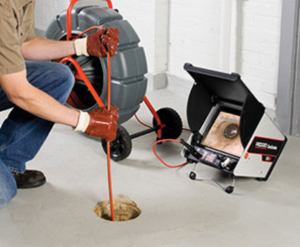
Twenty years ago, diagnosing the interior condition of a buried pipe required either guesswork or excavation. Today, video pipe inspection technology gives licensed plumbers a real-time, high-definition view of exactly what’s happening inside your drain lines, sewer laterals, and water supply lines — without disturbing your yard, your floors, or your landscaping.
A waterproof, flexible camera is inserted into the pipe via a clean-out access point and pushed or pulled through the line while transmitting live footage to a monitor. The plumber watches in real time, noting the exact location and nature of any issues: root intrusion, scale buildup, cracks, pipe belly (a sag in the line that traps waste), offsets between pipe sections, or deteriorated pipe material. The footage is recorded and can be shared with you directly.
When a Tampa Homeowner Should Request Video Inspection
- Before purchasing a home in Tampa Bay — particularly for any property built before 1990 with original drain lines. A video inspection is one of the most valuable pre-purchase disclosures a buyer can secure. A failing sewer lateral discovered after closing becomes entirely your expense.
- After a major root clearing event — if a plumber has just cleared significant root intrusion from your line, video inspection confirms how much of the pipe has been compromised and whether full-line repair or replacement is warranted before roots return.
- When recurring clogs resist clearing — if your drains keep blocking despite professional service, video inspection finds the structural reason: a sagging section, an offset joint, a partial collapse.
- For peace-of-mind documentation — many Tampa homeowners commission a baseline video inspection every 5 years simply to document the condition of their sewer lateral and have a clear record if warranty or insurance questions arise.
- Before any major renovation or addition — understanding the current capacity and condition of your drain system before you add a bathroom, expand the kitchen, or connect additional plumbing protects your renovation investment.
Tampa Bay’s Water Quality Problem: What’s Actually in Your Tap Water
 Tampa Bay Water — the regional authority that supplies drinking water to Hillsborough, Pasco, and Pinellas counties — produces water that consistently meets all federal Safe Drinking Water Act standards. That’s the good news, and it’s genuine. But “meets federal standards” and “optimal for your home, your family, and your plumbing” are not the same statement, and the gap between them matters more than most Tampa homeowners realize.
Here’s what Tampa Bay Water’s own annual Consumer Confidence Reports consistently show: the region’s water is hard (high calcium and magnesium content from the Floridan Aquifer), chlorinated (as required by federal disinfection rules), and contains measurable levels of disinfection byproducts — compounds that form when chlorine reacts with naturally occurring organic material in source water. These byproducts, including trihalomethanes (THMs) and haloacetic acids (HAAs), are regulated and kept below federal limits, but their presence — along with chlorine taste and odor — is one of the most common quality concerns Tampa residents raise.
Additionally, Tampa’s aging water distribution infrastructure means that the water leaving the treatment plant can pick up additional contaminants — including trace heavy metals — as it travels through older municipal mains and, in some cases, through older in-home plumbing. Homes with pre-1986 copper plumbing and lead-soldered joints represent a small but real exposure risk that water testing can identify.
“The question isn’t whether Tampa Bay Water is safe — it is. The question is whether the water coming out of your specific tap, through your specific pipes, is as clean as it could be for your family. That’s what whole-home filtration addresses.”
— Cass Plumbing, Tampa Bay
Whole-Home Water Filtration: What Tampa Homeowners Need to Know
The market for residential water treatment is crowded with options ranging from under-sink pitcher filters to whole-home systems that cost thousands of dollars — and navigating the difference between marketing claims and genuine performance data is genuinely confusing. Here’s a clear breakdown of the main categories and what each actually does for a Tampa Bay household.
| System Type | What It Addresses | Best For Tampa Homes |
|---|---|---|
| Pitcher / Pour-Through Filter | Basic chlorine taste & odor reduction at point of use | Minimal — doesn’t address hard water or whole-home supply |
| Under-Sink RO Filter | Removes dissolved solids, heavy metals, nitrates, fluoride | Good for drinking/cooking water; doesn’t protect pipes or appliances |
| Whole-Home Carbon Filter | Removes chlorine, VOCs, sediment, odor from all taps | Strong choice — improves taste, protects pipes from chlorine exposure |
| Water Softener | Removes calcium and magnesium (hardness ions) via ion exchange | Excellent for Tampa — extends appliance and pipe lifespan significantly |
| Combined Softener + Filter System | Addresses hardness, chlorine, sediment, and VOCs in one unit | The gold standard for Tampa Bay homes — comprehensive protection |
Cass Plumbing specializes in the installation and maintenance of whole-home water purification and filtration systems tailored to Tampa Bay’s specific water profile. We test your home’s actual water before recommending any system — because a solution that isn’t calibrated to your specific supply and household size is just expensive guesswork.
Not sure what’s actually in your water? Cass Plumbing offers free in-home water testing for Tampa Bay homeowners. We test hardness, chlorine levels, pH, and screen for common contaminants — then walk you through exactly what the results mean and what, if anything, you should consider doing about them. No obligation, no pressure.
Kitchen Plumbing Upgrades That Pay for Themselves in Tampa
Tampa’s real estate market remains one of the most active in the Southeast, and kitchen quality is consistently among the top factors that drive both buyer interest and appraisal value. What many homeowners overlook in a kitchen renovation is the plumbing infrastructure beneath the aesthetics — the supply lines, drain configuration, garbage disposal, and water quality at the tap. Getting the plumbing right is what makes a beautiful kitchen renovation durable and functional for years.
The Kitchen Plumbing Upgrades Tampa Homeowners Value Most
 Garbage disposal upgrade or replacement: Tampa’s year-round cooking lifestyle puts heavy demands on garbage disposals. Units over 8 years old are statistically more likely to fail, jam, or leak at the flange seal. A modern 3/4 HP or 1 HP disposal with stainless steel grinding components is both more powerful and quieter than older models. Cass Plumbing installs all major disposal brands with same-day service in most cases.
- Under-sink water filtration or reverse osmosis system: Clean drinking water directly from the kitchen tap eliminates the ongoing cost and plastic waste of bottled water — and in Tampa, where tap water chlorine taste is a consistent complaint, the quality improvement is immediately noticeable. A properly installed RO or carbon filtration system under the kitchen sink delivers filtered water on demand.
- Pot filler installation: A wall-mounted pot filler arm above the range is increasingly popular in Tampa kitchen renovations — and it requires dedicated supply line plumbing. Done right, it’s a practical upgrade that homebuyers recognize. Done wrong, it becomes a source of chronic leaks behind tile.
- Supply line replacement: Original braided or corrugated metal supply lines to the kitchen faucet and dishwasher are among the most common sources of under-sink water damage. Stainless-jacketed supply lines with proper shut-offs are inexpensive insurance against a cabinet full of water damage.
- Drain upgrade and dishwasher connection inspection: Dishwasher drain connections through the garbage disposal or air gap are notorious sources of recurring kitchen drain odors and slow drainage when improperly installed or when fittings degrade.
Planning a Kitchen or Bathroom Remodel? Start With the Right Plumber.
Cass Plumbing works with Tampa Bay homeowners and contractors on kitchen and bathroom remodel plumbing from initial rough-in to final fixture trim-out. Our licensed plumbers ensure your renovation has the infrastructure to perform beautifully for decades — not just look good on opening day.
Bathroom Remodel Plumbing: What Tampa Homeowners Get Wrong
 Bathroom renovations are consistently the second most popular home improvement project in Tampa Bay — after kitchen remodels — and they’re also one of the most frequent sources of expensive post-renovation plumbing problems. The reason is almost always the same: beautiful materials selected and installed over inadequate, outdated, or incorrectly modified plumbing infrastructure.
The most common mistakes Cass Plumbing’s technicians encounter when called in to repair a recently renovated bathroom are these:
Most Common Mistakes
- Shower pan waterproofing done incorrectly before tile — a leak that takes months to manifest
- New fixtures on corroded original shut-off valves — the shut-off fails when you finally need it
- Moving a toilet without properly re-configuring the flange and drain stack
- Undersized drain in a new large-format shower — water doesn’t clear fast enough
- Freestanding tub supply lines improperly anchored — vibration causes fittings to loosen
- Skipping a pressure-balancing valve in shower — scalding risk if water pressure drops
What Cass Plumbing Does Right
- Full rough-in inspection before any finish work begins
- Replacement of all shut-off valves during fixture upgrades — standard practice, not an upsell
- Proper drain sizing and slope verification for every shower configuration
- Pressure-balancing valve installation in all new shower builds
- All work pulled with Hillsborough County permits — no shortcuts
- Final inspection and documentation before project sign-off
The economics are straightforward: having a licensed Tampa plumber involved from the beginning of a bathroom remodel adds a modest cost to the project budget. Calling a plumber to repair a water-damaged subfloor, rotted wall cavity, or failed shower pan after the tile is in adds a cost that frequently exceeds the entire original renovation budget.
Emergency Plumbing in Tampa: What to Do in the First 15 Minutes
 A plumbing emergency — a burst pipe, an overflowing toilet, a water heater that’s flooding the utility room, a sewage backup through the floor drain — is one of the most panic-inducing situations a homeowner faces. The decisions made in the first 15 minutes determine how much damage occurs before help arrives. Here’s what to do.
- Shut off the water immediately. This is always Step 1. For a localized failure (a supply line under a sink, a toilet supply valve), close the angle stop valve directly at the fixture. For anything more widespread, go directly to your main shut-off and close it completely. Every adult in your home should know where this valve is before an emergency happens.
- Turn off the water heater. If you’ve shut off the main supply, switch your water heater to its “pilot” or vacation setting (for gas units) or shut off the circuit breaker (for electric units). Running a water heater without incoming water supply can damage or destroy the heating element.
- Do not use electrical appliances in or near standing water. Treat any area with standing water as a potential electrical hazard until assessed by a professional. Do not walk through standing water if you are unsure whether outlets or appliances are submerged.
- Open exterior doors and windows if safe to do so. Ventilation slows mold onset — Tampa’s humidity means mold can begin colonizing wet materials within 24–48 hours of a water intrusion event.
- Photograph everything before you begin cleanup. Your homeowner’s insurance claim depends on documentation. Photograph all visible damage, the source of the problem, and the surrounding area before moving or absorbing any standing water.
- Call Cass Plumbing. Our 24/7 emergency plumbing service covers Tampa Bay. Our licensed technicians will assess the damage, stop the source, and give you a clear, written picture of what needs to be done — before any work begins.
Plumbing emergencies don’t follow business hours. Cass Plumbing offers 24-hour emergency response throughout Hillsborough County and the greater Tampa Bay region. When the unexpected strikes, our licensed plumbers are ready to respond. Contact us immediately — don’t wait until morning.
Why Tampa Bay Consistently Chooses Cass Plumbing
 There are scores of plumbing contractors operating across the Tampa Bay market. The difference between a good plumbing experience and a nightmare one — work that lasts versus work that fails, a fair bill versus a price that appears after the job is done, a licensed professional versus an unlicensed worker your homeowner’s insurance won’t cover — comes down entirely to which company you trust with your home.
Cass Plumbing has built its reputation in Tampa Bay on principles that are straightforward but apparently rare enough to be remarkable: show up when we say we will, diagnose the actual problem before proposing a solution, price the job honestly before work begins, and perform the work to the standard a licensed plumber’s name on the line demands. We don’t manufacture urgency to drive upsells, and we don’t recommend repairs that aren’t necessary.
The recognition Cass Plumbing carries from BestPlumbers.com as the recommended plumber for the Tampa Bay region reflects an independent evaluation of our licensing credentials, customer satisfaction record, and service quality. It’s an endorsement we’re proud of and committed to earning with every service call.
Our service area covers the full Tampa Bay region — including Tampa, Brandon, St. Petersburg, Clearwater, and communities throughout Hillsborough County. Whether your need is routine or urgent, our full range of residential and commercial plumbing services has you covered.
 Complete Plumbing Services for Tampa Bay Homeowners & Businesses
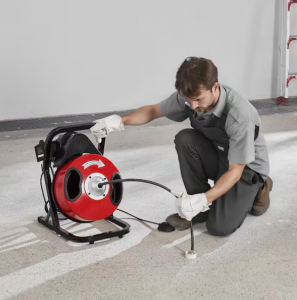
- Drain cleaning and repair — residential and commercial, all pipe types
- Sewer line inspection, repair, and replacement
- High-pressure hydro-jetting for drain and sewer line clearing
- Video pipe inspection — camera diagnostics for any drain or sewer line
- Whole-home water filtration and purification systems — including free water testing
- Water heater repair, service, and replacement (tank and tankless)
- Tankless water heater installation — all major brands
- Whole-home repiping — PEX and CPVC, galvanized and polybutylene replacement
- Pipe repair and replacement
- Leak detection — including slab leak and underground detection
- Faucet, toilet, and fixture repair and replacement
- Storm drain repair and replacement
- Commercial plumbing services — all commercial building types
- Annual maintenance plans — preventive inspections and priority service
Ready to Work with Tampa Bay’s Most Trusted Plumber?
 From a persistent slow drain to a full bathroom renovation to a plumbing emergency at 2 a.m. — Cass Plumbing is ready. Licensed, insured, and recommended by Best Plumbers. Serving all of Tampa Bay with honest diagnosis, expert work, and our lowest price guarantee.
